Choosing the right hand protection begins with a simple question: How to select chemical-resistant gloves for your needs? The answer depends on the chemical, concentration, temperature, contact time, and task. A glove used for brief splashes may fail during continuous immersion. A thick glove may resist chemicals well but reduce finger control. Small details matter.
Dr. John Cherrie, a respected occupational-hygiene researcher, puts the principle plainly: “Control the exposure, not merely the glove.” This advice changes how selection should work. Do not choose gloves by appearance, thickness, or marketing claims alone. Check chemical-resistance charts, manufacturer test data, permeation breakthrough times, and degradation information. Then compare those findings with the real task.
Think about a laboratory technician wiping solvent from a steel tray. Think about a maintenance worker handling wet containers for forty minutes. These are different exposures. They may require different glove materials, cuffs, linings, or replacement intervals. Nitrile, neoprene, butyl, and laminated gloves each have strengths and weaknesses. None is universally protective.
There is no perfect glove.
Even reliable data may not match every workplace condition. Temperature, pressure, stretching, damaged surfaces, and repeated use can change performance. That uncertainty deserves attention. A sensible selection process combines technical evidence, worker experience, training, and regular inspection. Fit matters too. A loose glove can catch on equipment, while a tight glove can tear or cause fatigue.
This guide explains how to select chemical-resistant gloves with practical, evidence-based judgment. It also highlights common mistakes, because safe decisions sometimes begin by questioning familiar habits.
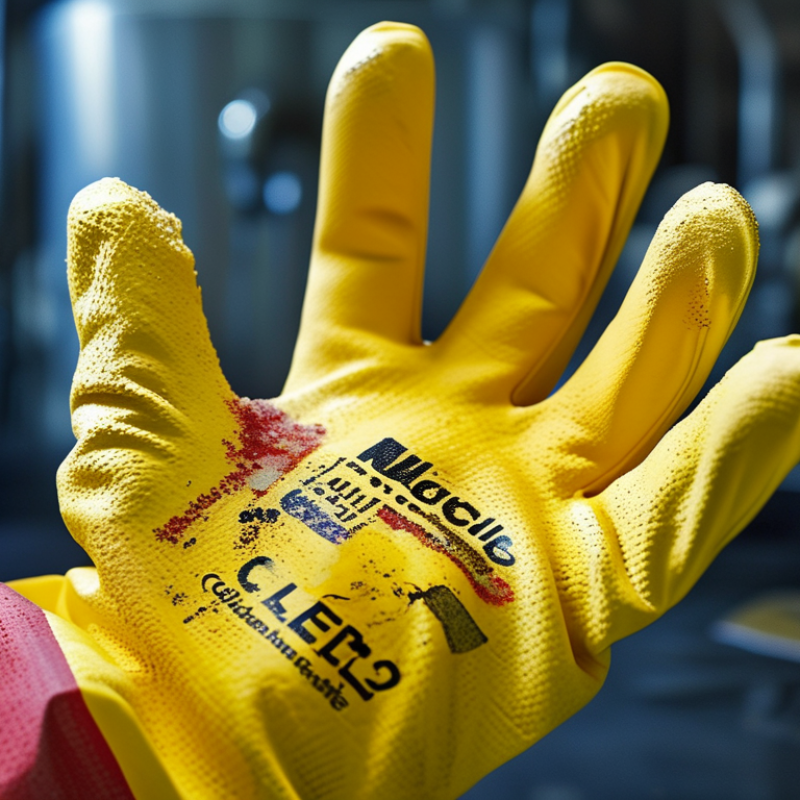
Identify the Chemical Hazards and Exposure Conditions
How to Select Chemical Resistant Gloves for Your Needs?
Identify the Chemical Hazards and Exposure Conditions
Start by identifying every chemical involved, not only the main product. Check its safety data sheet for ingredients, concentration, and handling warnings. A diluted solution may behave differently from the original chemical. The mixture matters.
Then examine the exposure conditions. Will the gloves face a brief splash, continuous contact, or full immersion? Note the liquid temperature, pressure, contact time, and work frequency. Vapors can also enter through damaged areas or loose cuffs. A glove suitable for occasional splashes may fail during repeated dipping.
Check chemical permeation and breakthrough data from reliable technical sources. Permeation means the chemical moves through the glove material without visible damage. Breakthrough time shows how long protection may last. It is not an unlimited wearing time. Replace gloves before that period ends. This detail is often overlooked.
Fit and movement deserve equal attention. Tight gloves can split at the fingertips, while loose gloves may catch on equipment. I once saw a worker choose a thicker glove and lose enough dexterity to handle small valves safely. Thicker is not always better. Test the glove during a realistic task, if possible. Inspect it before use for pinholes, swelling, stiffness, or discoloration. Remove it carefully, because the outer surface may still carry residue. Keep the selection record and review it when chemicals, temperatures, or procedures change.
Match Glove Materials to Chemical Resistance Requirements
How to Select Chemical Resistant Gloves for Your Needs?
Chemical resistance begins with identifying the substance, concentration, temperature, and contact time. Check the safety data sheet before choosing a glove. Then compare the chemical against permeation and breakthrough data from reliable test reports.
Nitrile often suits oils, solvents, and routine laboratory handling, but it does not resist every solvent equally. Neoprene can perform well against acids, bases, and some industrial chemicals. Butyl rubber is commonly selected for certain aggressive chemicals and gases. For highly challenging substances, specialized materials may be necessary.
Fit still matters. A glove that is too loose can catch on equipment, while a tight glove may split during repeated movement.
Do not guess. Look for breakthrough time, degradation, and permeation ratings under conditions similar to your work. Temperature can change performance significantly. A glove tested at room temperature may behave differently near a heated tank. Inspect gloves before use, especially around fingertips and seams. Replace them after visible damage or suspected contamination.
One practical weakness is relying on a material chart alone. Charts simplify complex conditions and may not reflect mixed chemicals, pressure, or repeated exposure. When uncertainty remains, ask the glove supplier for test evidence and consult a qualified safety professional. Trial use with controlled tasks can reveal problems that specifications miss, such as sweating, poor grip, or reduced dexterity.
Choose the Proper Glove Thickness, Length, and Size
How to Select Chemical Resistant Gloves for Your Needs?
Glove thickness affects both protection and control. Thin gloves improve finger movement during delicate tasks, but they may wear through faster. Thick gloves usually provide stronger resistance and better durability. However, thickness alone does not prove safety. Check chemical compatibility data, testing conditions, and expected contact time before choosing.
Length matters when splashes or immersion are possible. Short cuffs may leave skin exposed near the wrist, especially when sleeves move during work. Longer cuffs can cover the forearm and fit over protective clothing. Avoid loose openings. Liquid can travel inside quickly. In practical inspections, the cuff should remain secure while reaching, lifting, or turning equipment.
Size is equally important. A glove that is too tight can strain seams and reduce hand circulation. An oversized glove may catch on tools or make spills harder to control. Measure hand width and compare it with the supplier’s sizing chart. Try the gloves while holding the actual equipment. Fit can change under cold conditions or after repeated use. Do not ignore that detail.
Inspect the gloves before every task. Look for swelling, cracking, discoloration, or sticky surfaces. Replace damaged gloves immediately. Even a small defect can become a serious exposure point. Reassess the selection when chemicals, temperatures, or work methods change. The first choice may not remain suitable.
Check Protection Standards, Durability, and Comfort
Chemical-resistant gloves should match the substance, task, and exposure time. A glove that resists a solvent may fail against an acid. Check the Safety Data Sheet, then compare its chemical names with tested glove data. EN ISO 374-1:2016+A1:2018 classifies permeation by breakthrough times, from 10 to 480 minutes. It also evaluates degradation, such as swelling, cracking, or stiffness. OSHA 29 CFR 1910.138 requires employers to select hand protection according to the hazard and work conditions. These are practical checks, not paperwork.
Durability matters when gloves face sharp containers, heat, or repeated washing. Look for abrasion, tear, puncture, and cut-resistance results under EN 388. A thick glove may last longer, but it can reduce finger control. Poor grip creates its own risk. Comfort affects real use. The U.S. Bureau of Labor Statistics continues to identify hand and wrist injuries among common workplace injury categories, showing why fit and consistent use matter. Still, test data cannot fully predict every site. I have seen gloves rated for chemicals become unreliable after stretching, contamination, or careless storage.
Tips: Choose the longest tested breakthrough time available. Measure hand size carefully. Check cuffs against splash direction. Replace gloves after visible damage, swelling, or inner contamination. Keep a trial pair beside the work area. Ask workers to handle sample tools for ten minutes. Their feedback may reveal problems that a specification sheet misses.
Chemical-Resistant Glove Selection: EN ISO 374-1 Protection Levels
Choose the protection level according to the number of chemicals tested and the required breakthrough-time threshold. Type A requires protection against at least six chemicals for 30 minutes or more, Type B against at least three chemicals for 30 minutes or more, and Type C against at least one chemical for 10 minutes or more. Always verify compatibility with the specific chemical, exposure time, temperature, glove thickness, durability, and wearer comfort.
Establish Safe Use, Inspection, Replacement, and Disposal Practices
How to Select Chemical Resistant Gloves for Your Needs?
Safe glove use begins with the chemical, not the glove label. Check the Safety Data Sheet, concentration, temperature, contact time, and splash risk. OSHA’s hand-protection standard, 29 CFR 1910.138, requires employers to select protection based on identified hazards. The U.S. Bureau of Labor Statistics continues to list hands among the most frequently injured body parts in cases involving days away from work. That detail matters. A thin glove may feel comfortable, yet fail quickly during repeated contact.
Review permeation and breakthrough data from recognized test methods, such as EN ISO 374. Inspect gloves before every task. Look for swelling, stiffness, discoloration, pinholes, torn cuffs, or sticky surfaces. Check between fingers and around the thumb. Replace gloves immediately after chemical contact, visible damage, or the manufacturer’s stated service limit. Do not wash disposable gloves for reuse. That habit is convenient, but unreliable. NIOSH guidance also supports using engineering controls and safe work practices alongside PPE, rather than treating gloves as the only barrier.
Tips:
Keep a glove-selection chart near the work area. Record chemical, model, size, start time, and replacement time. Train workers to remove gloves without touching contaminated surfaces. Store unused gloves away from sunlight, heat, and chemical vapors. Place used gloves in labeled waste containers according to the applicable Safety Data Sheet and local disposal requirements. Review the process after spills or skin irritation; the original choice may have been wrong.
FAQS
: Identify the chemical, concentration, temperature, contact time, and splash risk. Check the Safety Data Sheet. Do not guess.
Nitrile may suit oils, solvents, and routine laboratory handling. Neoprene can handle some acids, bases, and industrial chemicals. Butyl rubber may suit certain aggressive chemicals and gases.
No. Resistance varies between chemicals, concentrations, and temperatures. A material chart is only a starting point.
Check permeation, breakthrough time, and degradation results. Use data tested under conditions similar to your workplace.
Heat can reduce chemical resistance or change material behavior. A glove tested at room temperature may perform differently near a heated tank.
Gloves should fit securely without restricting movement. Loose gloves may catch on equipment. Tight gloves may split.
Look for swelling, stiffness, discoloration, pinholes, torn cuffs, and sticky surfaces. Inspect fingertips, seams, between fingers, and around the thumb.
Replace gloves after chemical contact, visible damage, or suspected contamination. Follow the stated service limit. Disposable gloves should not be washed for reuse.
No. Use ventilation, safer work practices, and suitable equipment alongside gloves. Gloves are one barrier, not the entire plan.
Ask for test evidence and consult a qualified safety professional. Controlled trials can reveal sweating, poor grip, or reduced dexterity. The original choice may still need revision.
Conclusion
How to select chemical-resistant gloves begins with understanding the specific hazards involved. Identify the chemicals, concentration, temperature, contact time, and type of exposure, such as splashes, immersion, or repeated handling. Then compare glove materials with the required resistance properties, since no single material protects against every chemical. Select an appropriate thickness and cuff length for the task, while ensuring the glove fits securely without limiting movement or reducing dexterity.
Before use, check relevant protection standards, product documentation, physical durability, and wearer comfort. Gloves should be inspected regularly for tears, swelling, brittleness, discoloration, or other signs of damage. Establish clear procedures for putting on, removing, cleaning, storing, and replacing gloves, and dispose of contaminated or worn gloves safely according to workplace procedures. Proper selection and consistent maintenance help reduce exposure risks while supporting efficient and comfortable work.

 Puppelio Glove