China Best Gloves How to Store Them to Prevent Damage?

Time:2026-10-05 Author:Isabella
0%

China’s best gloves deserve careful storage after production, shipping, and daily use. Material choice alone does not prevent damage. Heat, moisture, pressure, and unsuitable packaging can quietly reduce glove performance.

How to store gloves to prevent damage depends on their material and intended use. Leather gloves need a cool, dry place away from direct sunlight. Their cuffs should remain open, allowing air to circulate. Cotton and knitted gloves should be folded loosely, not compressed under heavy boxes. Nitrile, latex, and coated work gloves should stay in clean packaging, away from oils, ozone sources, and sharp tools.

Small details matter. A warehouse shelf should be dry and raised from the floor. Clear labels can record material, size, purchase date, and inspection status. Older stock should be checked before newer stock is opened. Look for stiff leather, cracked coatings, faded colors, unpleasant odors, or sticky surfaces. These signs may indicate heat or moisture exposure.

Professional glove suppliers usually recommend following the manufacturer’s storage instructions. Those instructions should guide decisions when materials behave differently. Still, a tidy shelf is not enough. In real storage areas, gloves are sometimes packed too tightly or left near windows. That mistake seems harmless, but repeated exposure can shorten their useful life. A practical storage routine should include gentle handling, regular checks, and honest records of changing conditions. Some damage may already exist before storage begins, so careful inspection remains essential.
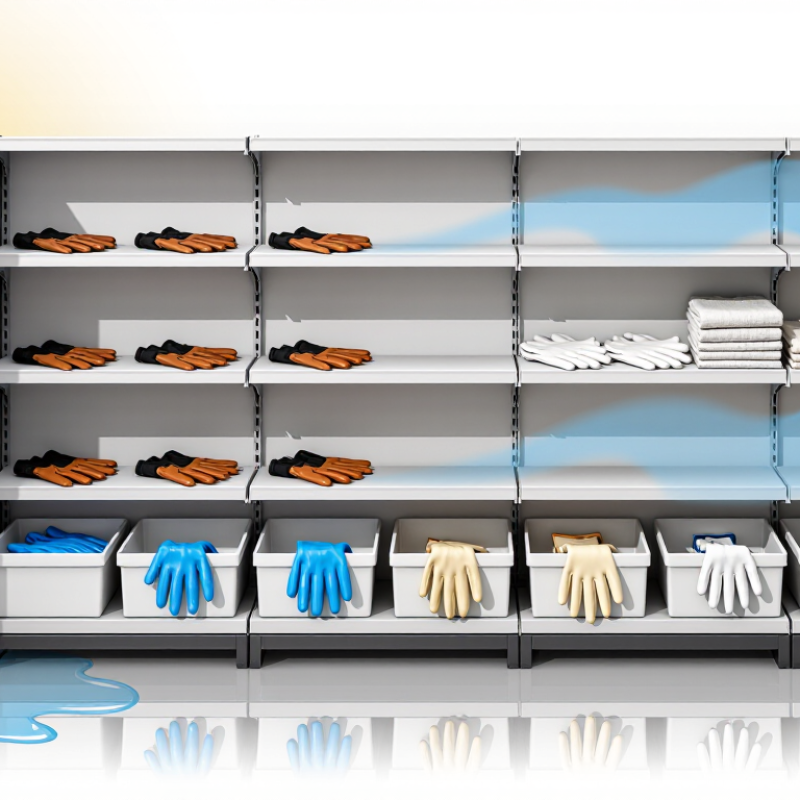
China Best Gloves How to Store Them to Prevent Damage?

Identify the Best Storage Conditions for Different Glove Materials

China Best Gloves: How to Store Them to Prevent Damage?

Different glove materials require different storage conditions. Nitrile and latex gloves should remain in their original packaging. Store them in a cool, dry room away from direct sunlight, heaters, and ozone-producing equipment. Keep them off the floor and avoid heavy boxes pressing on the cartons. Light is damaging. A stable temperature around 15–25°C usually works well, but the manufacturer’s instructions should take priority. High humidity can weaken packaging and encourage contamination, while excessive heat may reduce elasticity.

Leather gloves need breathable storage. Place them in a clean cotton bag instead of a sealed plastic container. Keep them away from moisture, oils, and sharp tools. A small amount of suitable leather conditioner can prevent stiffness, but too much may block airflow. Never store damp leather gloves. Let them dry naturally first. Do not place them near a radiator.

PVC, PU, and coated work gloves should stay cool and flat. Avoid folding them sharply for long periods, as creases may become permanent. Cotton gloves need ventilation and protection from dust, insects, and damp shelves. I once stored several pairs beside a sunny window, assuming the packaging was enough. The material became brittle sooner than expected. That mistake showed me why regular checks matter. Inspect gloves every few months for odor, cracking, discoloration, or hardened surfaces, and use older stock before newer stock.

Clean and Dry Gloves Thoroughly Before Putting Them Away

China Best Gloves: How to Store Them to Prevent Damage?

Quality gloves can last longer when storage begins with proper cleaning. After use, rinse washable gloves with clean, lukewarm water. Remove dirt from seams, fingertips, and cuffs. Use mild soap when residue remains. Strong cleaners may weaken fibers or protective coatings. I have found that rushed washing often leaves grit hidden inside the cuff. That small mistake can cause odor and stiffness later.

Dry gloves thoroughly before putting them away. Press out water gently, but never twist them hard. Hang them in a shaded, airy place, or lay them flat on a clean towel. Keep them away from heaters, direct sunlight, and damp shelves. Heat can warp coatings, while moisture encourages mildew. Check both sides, including the thumb area. They should feel completely dry, not merely dry on the surface. I once stored a pair too early, and trapped moisture caused a faint smell. That was avoidable.

Tips: Store gloves loosely, not folded tightly. Keep pairs together in a breathable fabric bag. Avoid sealed plastic until every area is dry. Inspect for cracks before the next use. If unsure, clean them again. A little extra time is cheaper than early replacement.

China Best Gloves How to Store Them to Prevent Damage? - Clean and Dry Gloves Thoroughly Before Putting Them Away

Glove Material Cleaning Method Drying Instructions Recommended Storage Avoid Pre-Use Check
Latex Follow the product instructions; use mild soap and clean water when washing is permitted. Rinse thoroughly and air-dry completely in a shaded, well-ventilated area. Keep flat or loosely arranged in a cool, dry, dark place away from ozone-producing equipment. Direct sunlight, radiators, oils, solvents, and sharp objects. Look for tackiness, brittleness, discoloration, tears, and pinholes.
Nitrile For reusable types, clean with mild detergent and water only when the manufacturer allows it. Remove excess water and allow both sides to dry fully before storage. Store in the original packaging or a clean container, protected from heat, light, and moisture. High heat, prolonged UV exposure, compression, and contact with incompatible chemicals. Check for punctures, splits, swelling, or surface degradation.
Neoprene Rinse off residues with clean water; use a mild cleaner if approved for the glove. Dry naturally away from direct heat, turning the gloves as needed to dry the inside. Keep in a ventilated cabinet, away from sunlight, solvents, and heavy objects. Folding while wet, hot-air drying, and long-term exposure to chemicals not approved for the material. Inspect seams, coating, cuffs, and areas showing hardening or cracking.
Leather Brush off dry dirt; wipe with a damp cloth and use a leather-safe cleaner when necessary. Dry slowly at room temperature and reshape while slightly damp; never use a radiator or dryer. Store clean and dry in a breathable fabric bag or open shelf; apply approved conditioner if required. Soaking, direct sunlight, sealed plastic while damp, and excessive heat. Check for stiff leather, broken stitching, worn palms, and weakened cuffs.
Cotton or Fabric Wash according to the care label, using a mild detergent and a suitable water temperature. Dry completely before folding; air-drying helps reduce shrinkage and heat damage. Fold neatly in a clean, dry drawer or container with enough airflow to prevent odor and mildew. Storing while damp, harsh bleach unless permitted, and excessive tumble-dryer heat. Check for holes, thinning fabric, stretched cuffs, and loose threads.
General Storage Checklist: Clean gloves as soon as practical after use, remove visible moisture, dry them thoroughly inside and out, and store them in a cool, dry, well-ventilated area away from direct sunlight, heat, chemicals, and sharp objects. Always follow the care and storage instructions supplied with the specific glove.

Choose Suitable Containers and Protective Materials for Storage

Proper storage begins with a container that matches the glove material. Use a clean, dry box with a secure lid for fabric, leather, or coated gloves. The container should be large enough to prevent bending, crushing, or tight stacking. Crowded storage can leave permanent creases.

Add protective materials carefully. Use acid-free tissue paper between leather gloves to reduce surface friction and color transfer. Cotton liners can protect delicate fabric from dust, but they must be completely dry. For coated gloves, place clean polyethylene sheets between pairs. Avoid newspaper, rough cardboard, and colored paper. Their inks or fibers may stain the surface.

Control the storage environment as well. Keep containers away from direct sunlight, heaters, chemicals, and damp floors. A stable, cool room is safer than a sealed plastic bag in a humid area. Check the gloves every few months for odor, mildew, cracking, or sticky coatings. I once stored a pair in an airtight bag, believing it offered better protection. Moisture remained trapped inside, and the coating changed texture. That mistake showed me that protection must include ventilation and inspection. Do not place heavy objects on the container. Handle each pair with clean, dry hands, and replace damaged tissue before small problems spread.

China Best Gloves: How to Store Them to Prevent Damage?

Recommended storage ranges for rubber and synthetic gloves, based on general guidance in ISO 2230 for the storage of rubber products.

How to choose containers and protective materials: Store gloves in clean, opaque polyethylene or polypropylene containers with secure lids. Use acid-free tissue or soft, lint-free separators to prevent compression, friction, and contact with contaminants. Keep containers in a cool, dry area away from direct sunlight, ozone-generating equipment, oils, solvents, and heat sources. Avoid overpacking, and inspect gloves regularly for discoloration, tackiness, cracking, or loss of elasticity.

Storage targets shown: approximately 15–25°C and 30–60% relative humidity. Specific product instructions and applicable standards should take priority.

Store Gloves in the Correct Position Away from Heat and Moisture

China Best Gloves: How to Store Them to Prevent Damage?

Store gloves in the correct position, away from heat and moisture. After use, shake off dust and let them air-dry naturally. Do not place damp gloves on a radiator, near a heater, or under strong sunlight. Excessive heat can harden leather, weaken coatings, and distort elastic fibers. Moisture may encourage unpleasant odors, stains, or mildew.

Lay each glove flat with the fingers straight. Keep the cuffs open so air can move inside. Avoid folding gloves tightly or leaving heavy items on top of them. A clean drawer or breathable storage box works well. Plastic bags are less suitable when gloves are not completely dry. For leather gloves, use a dry cloth and follow the material’s care instructions. Coated work gloves may need different cleaning methods, so one rule cannot fit every pair.

I once stored damp gloves in a closed cabinet. They looked fine the next morning, but the cuffs smelled musty. That small mistake changed my routine. I now check the fingertips, seams, and inner lining before storage. Remove dust carefully, but avoid aggressive brushing. A cool, dry, shaded place is usually safer than a warm closet. Check them again after several days, especially during humid weather. Small gaps matter.

Inspect Stored Gloves Regularly and Address Early Signs of Damage

Stored gloves can look clean while slowly losing their protective qualities. Inspect them regularly, especially after long periods in a warehouse. Check for discoloration, brittleness, sticky surfaces, cracks, holes, and flattened cuffs. These signs may indicate heat, moisture, chemicals, or excessive age.

Use clean, dry hands during inspection. Gently stretch the glove material and examine seams under bright light. For reusable gloves, look inside for trapped moisture, unusual odors, or hardened areas. Do not rely only on appearance. Some damage is difficult to see. I once accepted a pair because the outer surface looked normal, but the cuff had become brittle. That mistake changed my inspection routine.

Record the inspection date and separate questionable gloves immediately. Store them away from direct sunlight, heaters, oils, and sharp tools. Keep packaging closed when possible, but avoid sealing damp gloves inside. Rotate older stock carefully, following the manufacturer’s storage guidance and expiry information. A small sample check may not reveal every problem, so inspect different cartons and sizes. If damage appears repeatedly, review the storage temperature and handling process. Do not repair protective gloves unless the manufacturer specifically permits it. Replacement is often the safer decision. Inspect again after unusual heat, flooding, transport, or nearby chemical exposure. Keep the process simple. Consistency matters.

FAQS

What is the best storage temperature for nitrile and latex gloves?

Keep them in a cool, dry room, ideally around 15–25°C. Avoid sunlight, heaters, and ozone-producing equipment. Follow the material instructions when they differ.

Should nitrile and latex gloves remain in their original packaging?

Yes, when the packaging is clean and undamaged. Keep cartons off the floor. Do not place heavy boxes on top. Light and pressure can cause damage.

How should leather gloves be stored?

Store them in a breathable cotton bag. Keep them away from moisture, oils, and sharp tools. Let damp gloves dry naturally first. Never use a radiator for drying.

Can leather gloves be kept in a sealed plastic container?

It is usually a poor choice. Trapped moisture may cause odor, stains, or mildew. A small amount of suitable conditioner can reduce stiffness. Too much conditioner may block airflow.

How should PVC, PU, and coated gloves be positioned?

Keep them cool, clean, and flat. Avoid sharp folds or tight stacking. Permanent creases may form. Clean polyethylene sheets can separate pairs.

What containers work well for fabric, leather, and coated gloves?

Use a clean, dry box with a secure lid. Leave enough space to prevent bending or crushing. Acid-free tissue can protect leather surfaces. Replace damp or dirty tissue quickly.

Why should newspaper and colored paper be avoided?

Their ink may stain glove surfaces. Rough fibers can also cause abrasion. Plain, acid-free tissue is safer. Small details matter.

How often should stored gloves be inspected?

Check them every few months. Look for odor, mildew, cracks, discoloration, or hardened surfaces. Inspect fingertips, seams, cuffs, and inner linings. Use older stock before newer stock.

What should be done before storing used gloves?

Shake off dust and let them air-dry naturally. Keep fingers straight and cuffs open. Use clean, dry hands during handling. I once sealed damp gloves overnight. They smelled musty the next morning. That mistake changed my routine.

Conclusion

Knowing how to store gloves to prevent damage helps preserve their comfort, flexibility, and protective performance. Different materials require different conditions: leather needs a cool, breathable environment, while rubber, latex, and synthetic gloves should be protected from direct sunlight, ozone, and excessive heat. Before storage, clean each pair according to its material, remove dirt or residue, and allow the gloves to dry completely. Never put damp gloves away, as trapped moisture can cause odors, mold, stiffness, or material breakdown.

Choose clean, dry containers that allow suitable airflow, using soft, non-abrasive protective materials when necessary. Store gloves flat or in their natural shape, avoiding sharp folds, heavy objects, and prolonged compression. Keep them away from heaters, chemicals, moisture, and strong light. Regular inspections are also important. Check for cracks, discoloration, stickiness, brittleness, or weakened seams, and address minor issues promptly. Replacing seriously damaged gloves ensures they remain reliable when needed.

Isabella

Isabella

Isabella is a dedicated marketing professional with a sharp focus on driving brand growth and engagement through strategic content creation. With an extensive background in digital marketing, she combines her passion for storytelling with her keen understanding of industry trends to deliver......