How to Ensure Food Safety with Gloves in Food Handling?

Time:2026-05-13 Author:Isabella
0%

Ensuring food safety is crucial in today's fast-paced culinary world. Gloves are a fundamental tool in maintaining hygiene during food handling. They protect both the food and the handler from contamination. However, understanding how to maintain hygiene in food handling with gloves goes beyond simply wearing them.

Many believe that wearing gloves eliminates the need for proper handwashing. This is a common misconception. Gloves can still become contaminated, especially if not changed regularly. Proper training is essential for food handlers to learn the correct usage of gloves. They must understand when to change gloves, such as between different tasks.

Not every glove type is suitable for all tasks. It's important to choose the right material to prevent cross-contamination. Additionally, ensuring that gloves fit well can prevent tears and leaks. Food safety standards recommend regular glove checks. They are not a substitute for good hygiene practices. It is vital to foster a culture of cleanliness in food preparation environments.
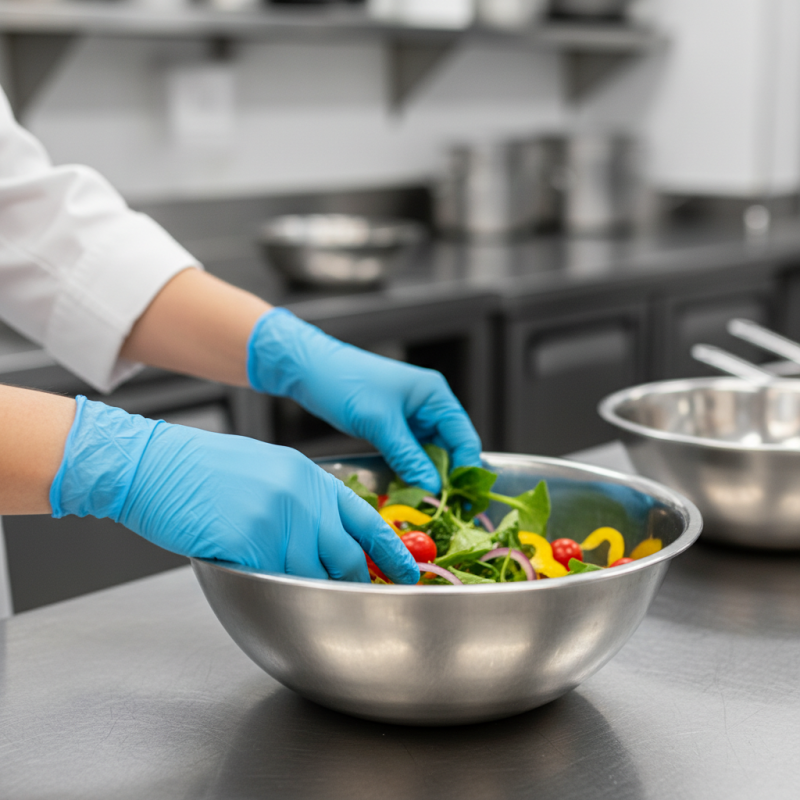
How to Ensure Food Safety with Gloves in Food Handling?

Understanding the Importance of Gloves in Food Safety

Gloves play a crucial role in food safety. They act as a barrier between hands and food, reducing the risk of contamination. When workers handle raw foods, such as meat and vegetables, gloves help prevent the transfer of harmful bacteria. Proper glove use can safeguard public health in food establishments.

However, gloves are not a magic solution. Improper use can lead to more risk. For instance, wearing the same gloves while handling raw and cooked foods can spread germs. Moreover, gloves can develop tiny tears that compromise their effectiveness. It is vital for food handlers to replace gloves frequently and wash hands properly between changes.

Educating staff about glove use is essential. Training should include when to change gloves and the significance of hand hygiene. Regular reminders can reinforce good practices. By fostering an environment of safety and awareness, food safety can be significantly enhanced. Regularly reviewing these protocols ensures that every detail is addressed, creating a safer food handling space.

Types of Gloves Suitable for Food Handling

Selecting the right gloves for food handling is crucial. Not all gloves provide the same level of protection against contamination. According to the Food and Drug Administration (FDA), materials like latex, vinyl, and nitrile are commonly used in food service. Each glove type has its pros and cons.

Latex gloves offer excellent dexterity but may cause allergic reactions in some individuals. Vinyl gloves are an economical option. However, they are less durable and provide a lower barrier against chemicals and microorganisms. Nitrile gloves are strong and puncture-resistant, making them a preferred choice for many food handlers. They minimize the risk of cross-contamination while ensuring comfort during long periods of use.

Regularly replacing gloves is essential. Studies show that foodborne illnesses often stem from improper glove use. For instance, one survey found that over 60% of kitchen staff reported not changing gloves between different food types. This oversight can lead to serious health risks. Food handlers need training on proper glove use to maintain safety standards effectively. Ensuring food safety requires attention to detail, even in seemingly minor decisions like glove selection.

Best Practices for Wearing and Disposing of Gloves

When wearing gloves for food handling, proper practices are crucial. Start with selecting the right gloves. They should be sturdy and fit well. Too tight or too loose gloves can compromise safety. Always wash your hands before putting on gloves. This step is essential for reducing contamination.

During food preparation, be mindful of your glove usage. Change gloves frequently, especially when switching tasks. For instance, handling raw meat requires a fresh pair before touching vegetables. Consider small actions; sometimes, you might forget a detail. Each time you change gloves, wash your hands again. This practice helps to ensure that food safety is maintained.

Disposing of gloves is as important as wearing them. After use, remove gloves carefully to prevent contamination. Avoid touching the outside of the gloves with bare hands. Instead, turn them inside out as you remove them. Place them in a trash bin immediately. Reflecting on these details can enhance your food safety practices.

Best Practices for Wearing and Disposing of Gloves in Food Handling

Common Mistakes to Avoid When Using Gloves in Food Preparation

Gloves are essential in food handling. However, many people make common mistakes that can compromise food safety. In a study published by the Food and Drug Administration (FDA), improper glove use contributed to 12% of reported foodborne illness outbreaks in food establishments. This number highlights the importance of proper glove handling techniques.

One frequent error is not changing gloves often enough. Many food handlers wear the same gloves for multiple tasks. This practice increases the risk of cross-contamination. When switching between raw and cooked foods, gloves must be changed. The National Institute of Health indicates that 50% of food handlers do not adhere to this guideline.

Another mistake is improper glove removal. Many individuals take off gloves incorrectly, leading to contamination on their hands. It is vital to grab the glove from inside and peel it off without touching the outside. Moreover, some food handlers forget to wash their hands after removing gloves. A study by the Centers for Disease Control and Prevention (CDC) shows that handwashing compliance drops to 20% after glove removal. Adopting proper techniques is crucial for maintaining food safety in any preparation setting.

Maintaining Hygiene and Safety Beyond Glove Use in the Kitchen

Gloves are essential in food handling, but they are not a cure-all for food safety. One common mistake is assuming that wearing gloves eliminates the need for proper hygiene. Food handlers must wash their hands before putting on gloves. Dirty hands can transfer bacteria, even through gloves. Regular handwashing is crucial, especially after handling raw food or using the restroom.

Beyond wearing gloves, surfaces need attention too. Food prep areas should be cleaned with appropriate sanitizers. This process removes residual bacteria after glove use. It's also important to change gloves frequently, especially between tasks. If you touch your face or hair, replace the gloves immediately. This simple habit can greatly reduce contamination risks.

Education plays a key role. Continuous training on hygiene practices for all staff enhances safety. Many employees may not understand the importance of glove use or the right techniques. Investing time in training can yield safer food preparation environments. Mistakes can happen, but learning from them is essential for improvement.

FAQS

: Why is glove selection important in food handling?

: Proper gloves should be sturdy and fit well. Poor fit can compromise safety.

What should you do before putting on gloves?

Always wash your hands before putting on gloves. This reduces contamination risks.

How often should you change gloves during food preparation?

Change gloves frequently, especially when switching from raw meat to vegetables.

What is a crucial step after changing gloves?

Wash your hands again after each time you change gloves.

How should gloves be disposed of?

Remove gloves carefully, turning them inside out to avoid contamination.

What is a common misconception about gloves?

Many believe wearing gloves eliminates the need for proper hand hygiene.

How should surfaces be maintained during food prep?

Clean food prep areas with appropriate sanitizers to remove bacteria.

Why is staff training important in food handling?

Continuous training enhances safety and reduces mistakes in food preparation.

What should you do if you accidentally touch your face while wearing gloves?

Replace your gloves immediately to prevent contamination.

How may mistakes in food handling be beneficial?

Learning from mistakes can lead to improved hygiene practices over time.

Conclusion

Ensuring food safety with gloves in food handling is crucial for preventing contamination and protecting public health. Understanding the importance of gloves, it's vital to use suitable types designed explicitly for food contact, ensuring they provide adequate protection while being comfortable for prolonged use. Best practices should include proper techniques for wearing and disposing of gloves to maintain hygiene, alongside avoiding common mistakes, such as reusing gloves or neglecting handwashing.

To effectively answer the question of "how to maintain hygiene in food handling with gloves," it's essential to combine glove use with strict hygiene protocols, including regular handwashing and minimizing glove contamination. Furthermore, maintaining safety goes beyond glove usage; having a clean workspace and proper food storage practices are equally important in ensuring overall food safety in the kitchen.

Isabella

Isabella

Isabella is a dedicated marketing professional with a sharp focus on driving brand growth and engagement through strategic content creation. With an extensive background in digital marketing, she combines her passion for storytelling with her keen understanding of industry trends to deliver......