How to Choose Industrial Safety Gloves in 2026?

Time:2026-10-10 Author:Oliver
0%

In 2026, industrial hand protection is no longer a simple choice between leather and coated fabric. A glove must match the task, hazard, worker, and work environment. How to choose gloves for industrial safety begins with identifying real exposure, not trusting a product label. A mechanic handling oily fasteners needs grip and chemical resistance. A metalworker needs cut protection, dexterity, and reliable abrasion performance. Small details matter. Sweat matters too. Heat, vibration, and repeated washing can change comfort and protection.

A sound selection process starts with a documented hazard assessment. Review sharp edges, impact points, liquid contact, temperature, moving machinery, and contamination risks. Then compare tested performance data from reputable manufacturers. Check the glove’s declared standards, limitations, sizing range, and care instructions. Do not assume a higher rating solves every problem. A thick glove may reduce finger control near small components. A chemically resistant material may perform poorly against another substance. Compatibility must be verified using current technical data and workplace procedures.

Fit should be tested at the workstation. Ask workers to grasp tools, open containers, and operate controls. Watch for slipping fingertips, exposed wrists, or seams pressing into skin. Trial results often challenge office assumptions. They should. Replace damaged gloves promptly, and train users to inspect them before each shift. Keep records of failures, comfort complaints, and changing tasks. This evidence supports better purchasing decisions in 2026. It also keeps the process honest: no glove protects against every hazard, and even a good choice can fail when used incorrectly. Reliable protection comes from matching evidence, human experience, and disciplined daily use.
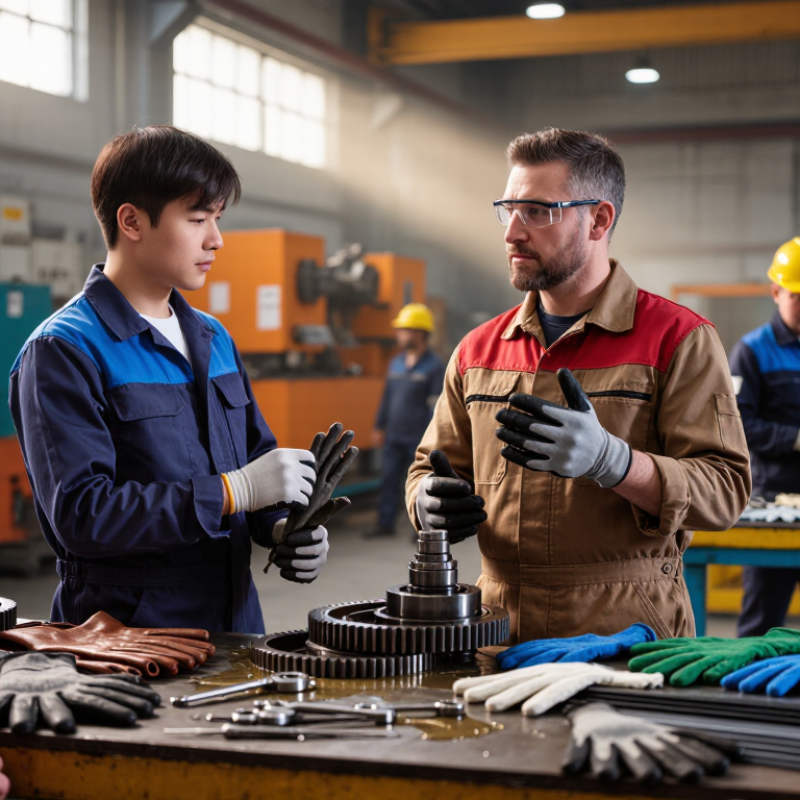
How to Choose Industrial Safety Gloves in 2026?

Safety Hazards That Industrial Gloves Must Address in 2026

In 2026, glove selection must begin with the hazard, not the product label.

The International Labour Organization estimated 2.93 million work-related deaths and 395 million non-fatal injuries worldwide in 2023. These figures cover every sector. Still, they show why hand protection cannot be treated as a minor purchasing decision. A thin glove may improve dexterity. It may also expose skin to a sharp burr, solvent splash, or contaminated surface. Record the task, contact time, temperature, force, and replacement frequency.

Mechanical hazards remain highly variable.

A cut-resistant glove is not automatically puncture-resistant, impact-resistant, or safe near moving machinery. EN 388 test results should match the actual blade, edge, abrasion, and impact pattern.

OSHA warns that caught-in hazards require machine guarding; gloves cannot replace safeguards. Chemical work needs permeation and breakthrough data, not vague “chemical resistant” wording.

Britain’s HSE estimated 561,000 non-fatal workplace injuries during 2023/24. Glove misuse is rarely visible in these statistics. That gap matters.

Heat, cold, vibration, and electrical exposure need separate controls.

NIOSH identifies hand-arm vibration as a pathway to numbness, weaker grip, and vascular injury. Anti-vibration gloves alone may not solve it. Thermal gloves can reduce dexterity, causing a poor grip.

Check sizing, seams, grip after contamination, and worker training. Replace damaged gloves immediately. It sounds obvious. It is often missed.

Even a certified glove can fail when worn too long, chosen for the wrong chemical, or removed during a rushed task.

Key Protection Standards for Industrial Safety Gloves

How to Choose Industrial Safety Gloves in 2026?

Key Protection Standards for Industrial Safety Gloves

Choosing industrial safety gloves should begin with the hazard, not the glove color or thickness. A workshop handling sheet metal may need cut resistance, while a maintenance team using solvents needs chemical protection. EN ISO 21420 covers general requirements, including fit, comfort, marking, and safe glove design. It does not prove protection against a specific hazard.

For mechanical risks, EN 388 rates abrasion, blade cuts, tearing, puncture, and impact. Check the complete rating, not only the cut-resistance letter. A glove may resist sharp edges but perform poorly against punctures. In the United States, ANSI/ISEA 105 provides another useful classification system. These standards support selection, but they do not replace a workplace risk assessment.

Chemical tasks require EN ISO 374 information, including permeation and degradation data. Do not assume a thicker glove offers longer protection. For heat, review EN 407, and for cold environments, check EN 511. A worker loading frozen goods may need insulation, grip, and moisture resistance together. That combination is easy to overlook.

During inspections, check the printed standard, test results, size, and replacement condition. A damaged glove can fail before its rated performance ends. Fit also matters: loose fingertips can catch on rotating equipment, while tight gloves reduce movement and encourage removal. Ratings are valuable, but real handling conditions remain imperfect.

How to Match Glove Materials to Workplace Tasks

How to Choose Industrial Safety Gloves in 2026?

Matching glove materials to workplace tasks starts with identifying the real hazard. Nitrile gloves suit many oily jobs and offer good chemical resistance. However, resistance changes with chemical type, concentration, heat, and contact time. Latex provides excellent flexibility and grip, but it may cause skin allergies. For wet handling, PVC can help, although it may feel stiff during detailed work.

Leather remains useful for abrasion, sparks, and moderate heat. It is not a reliable choice for chemical splashes. Aramid fibers can improve cut resistance, but they do not prevent every puncture. Neoprene may perform well around selected acids and solvents. Always check the chemical safety data sheet and the glove manufacturer’s compatibility chart. A comfortable glove can still fail.

Tips: Match the material to the hazard, not the job title. Test dexterity with the exact tools used. Inspect seams, fingertips, and cuffs before each shift. Replace gloves after contamination, tearing, or noticeable stiffness. Never assume thicker means safer; thickness can reduce control and encourage unsafe handling. Fit matters too. Loose fingertips can catch on rotating equipment, while tight gloves can cause fatigue and split under pressure. A short trial with workers often reveals problems that a purchasing checklist misses.

How to Choose Industrial Safety Gloves in 2026? – How to Match Glove Materials to Workplace Tasks

Material performance is task-dependent. Always verify the glove's tested rating, chemical permeation data, fit, condition, and the applicable workplace risk assessment before use.
Glove Material Best-Matched Workplace Tasks Key Protection Strengths Main Limitations Typical Comfort and Dexterity Selection Guidance
Nitrile General assembly, mechanical maintenance, light oil handling, laboratory work, food handling where approved, and disposable contamination-control tasks. Good oil resistance Good puncture resistance Latex-free Not a universal chemical barrier; protection varies by chemical, concentration, temperature, thickness, and exposure time. Limited protection against many ketones and some aromatic solvents. Usually very good tactile sensitivity and dexterity, especially in thin disposable or coated designs. Use the manufacturer's permeation data for the exact chemical. Select thicker or reusable nitrile designs for heavier mechanical work.
Natural Rubber Latex General handling, wet work, cleaning, healthcare-related tasks, and applications requiring elastic fit and strong grip. Excellent elasticity Good grip Useful against some water-based materials Can cause allergic reactions. Poor resistance to many oils, fuels, and organic solvents. Can degrade with ozone, sunlight, and some chemicals. Excellent flexibility and dexterity; comfortable when correctly sized and used for suitable tasks. Use only where latex exposure is controlled and permitted. Consider nitrile or other latex-free alternatives for shared workplaces.
Neoprene Chemical handling, cleaning with selected chemicals, refrigeration work, wet processing, and applications requiring flexibility at low temperatures. Broad chemical utility Good flexibility Good low-temperature performance Not resistant to every chemical; may have weaker resistance to some solvents and strong oxidizers. Thick versions can reduce dexterity. Good flexibility and grip, with comfort depending strongly on thickness and lining. Check breakthrough time and permeation rate for the specific substance instead of relying on the material name alone.
PVC / Vinyl Light-duty cleaning, general wet handling, food processing where approved, and low-cost splash protection for compatible substances. Good water resistance Useful for some acids and bases Low material cost Often less flexible than nitrile or latex. Limited protection against many organic solvents, oils, and fuels. Disposable vinyl gloves can tear more easily. Acceptable dexterity for light tasks; comfort and fit may be lower than stretchier materials. Suitable for low-hazard, short-duration tasks only when compatibility is confirmed. Do not use as a default chemical glove.
Butyl Rubber Handling gases and vapors, selected aggressive chemicals, laboratory chemical work, and tasks involving many polar solvents. Very low gas permeability Strong resistance to many polar chemicals Good flexibility Often poor against many petroleum-based oils and hydrocarbons. More expensive and less commonly stocked than general-purpose materials. Good flexibility, although thick chemical-resistant gloves reduce fine dexterity. Use chemical compatibility charts and tested permeation data for the exact substance and operating conditions.
Viton-Type Fluoroelastomer High-hazard chemical handling involving selected aggressive organic chemicals, fuels, and aromatic or chlorinated solvents. High chemical resistance for selected substances Low permeability for many chemicals Expensive, comparatively stiff, and not suitable for every chemical. Mechanical cut and puncture performance depends on the glove construction. Typically lower dexterity than thin nitrile or neoprene gloves. Reserve for chemicals for which the material has documented compatibility. Verify temperature limits and mechanical ratings.
Leather Material handling, construction, welding support, rigging, landscaping, and general work involving abrasion, heat, or rough surfaces. Good abrasion resistance Good durability Useful against intermittent contact heat Absorbs liquids and chemicals; not a reliable barrier against oils, solvents, or biological contamination. Wet leather can stiffen and lose performance. Good durability and grip; dexterity ranges from moderate to low depending on thickness and design. Choose heat- or welding-rated designs for hot work. Keep leather away from chemical splash hazards unless specifically treated and tested.
Aramid Fiber Glass handling, sheet-metal work, automotive manufacturing, high-temperature handling, and applications requiring cut and heat resistance. High cut resistance potential Good heat resistance Low melting behavior compared with many synthetics Does not provide inherent chemical or liquid protection. Performance can decline through wear, laundering, or coating damage. Comfortable knitted versions can provide good dexterity; thicker versions feel bulkier. Confirm the cut level under the applicable standard and use a liquid-resistant overglove when required.
High-Performance Polyethylene Fiber Precision cutting, sheet handling, glass handling, food processing, and tasks requiring high cut resistance with low glove weight. High cut resistance potential Lightweight Good dexterity Some constructions have limited heat resistance and can be damaged by high temperatures. Does not replace chemical-resistant gloves. Typically excellent comfort, breathability, and dexterity in knitted designs. Check the tested cut, puncture, and heat ratings. Avoid exposure beyond the fiber's specified temperature range.
Metal-Mesh Butchery, meat processing, sharp-tool operations, and tasks with a high risk of laceration from clean, sharp edges. Very high cut protection High puncture resistance Easy to sanitize when properly designed Heavy and less flexible. Does not protect well against impact, chemicals, heat, or fine particles. Open construction may allow liquids through. Low to moderate dexterity; correct sizing and a secure wrist system are essential. Use only for compatible sharp-edge hazards. Pair with suitable hygiene controls and inspect links regularly.
Polyurethane-Coated Knit Dry-part assembly, electronics handling, precision manufacturing, and warehouse tasks requiring grip and tactile control. Excellent dexterity Good dry grip Low-lint options available Usually limited protection against oils, chemicals, heavy impact, and high heat. Coating can wear through during abrasive work. Very good breathability, fit, and tactile sensitivity. Use for low-to-moderate mechanical hazards where the coating rating is adequate; do not infer chemical resistance from the coating alone.
PVC-Coated Knit Wet handling, warehouse work, fishing-related tasks, general utility work, and applications needing grip in damp conditions. Good wet grip Water resistance Useful abrasion resistance Less breathable than uncoated gloves. Chemical performance varies widely, and PVC may stiffen in cold conditions. Moderate comfort and dexterity; textured coatings improve grip but may reduce fine touch. Choose a supported or fully coated design according to liquid exposure. Confirm cold-temperature and chemical performance.
Thermal Insulated Textile Cold storage, outdoor winter work, refrigerated logistics, and handling cold surfaces. Thermal insulation Comfort in cold environments Insulation alone does not provide cut, chemical, puncture, or impact protection. Wet insulation may lose thermal performance. Comfortable in cold conditions, but bulk can reduce dexterity. Combine insulation with the required outer protection, such as a cut-resistant or liquid-resistant shell.
Electrical-Insulating Rubber Work on or near energized electrical systems when the task, voltage, and work procedure specifically require insulating gloves. Electrical insulation when tested and maintained Available in voltage-rated classes Not a general-purpose mechanical glove. Ozone, cuts, punctures, heat, chemicals, and aging can compromise protection. Moderate dexterity; thicker voltage classes are more restrictive. Use only gloves marked and tested for the required voltage class. Inspect before use and wear compatible leather protectors when required by the procedure.
Important selection rule: No single glove material protects against every hazard. Select the glove by identifying the task's chemical, cut, puncture, impact, heat, cold, electrical, liquid, and ergonomic risks, then confirm the relevant tested performance rating and replace gloves that are damaged, contaminated, or degraded.

Fit, Dexterity, Comfort, and Wearer Requirements

How to Choose Industrial Safety Gloves in 2026?

Fit should be checked before protection claims. A glove that slides during lifting can reduce control and increase fatigue. Measure the wearer’s hand length and palm circumference, then compare both with the manufacturer’s sizing chart. Leave enough room for natural movement, but avoid loose fingertips. Small gaps matter.

The U.S. Bureau of Labor Statistics reported about 2.6 million nonfatal workplace injuries and illnesses in private industry during 2023. Hand protection cannot solve every hazard, but poor fit can weaken safe work practices. Test dexterity with actual tasks, such as turning a small valve, gripping wet components, or using a touchscreen. If workers remove gloves repeatedly, the design may be wrong. That problem is often blamed on the wearer.

Comfort also affects consistent use. The UK Health and Safety Executive estimated 511,000 workers had work-related musculoskeletal disorders in 2023/24. Sweaty liners, stiff coatings, and heavy cuffs can increase discomfort during long shifts. Consider temperature, moisture, skin sensitivity, and required wear time. Select materials according to the hazard assessment and relevant standards, including EN ISO 21420 and EN 388 where applicable. Do not rely on a single test number. A glove can perform well in a laboratory yet feel unsuitable after six hours. Trial several sizes with representative workers, record complaints, and review the choice after real use. There will be exceptions. That is why wearer feedback matters.

How to Inspect, Maintain, and Replace Safety Gloves

Choosing industrial safety gloves in 2026 starts with inspection, not appearance. The U.S. Bureau of Labor Statistics injury tables consistently place hands among the most frequently injured body parts. A damaged glove can hide serious exposure. Check every glove before work. Look for cuts, pinholes, thinning, stiff areas, chemical swelling, and separated seams. Flex the fingers and stretch the material gently. For disposable gloves, inflate them carefully or inspect them against light. Do not rely on color alone. The European Chemicals Agency notes that permeation depends on chemical, contact time, temperature, and glove material.

Tips: Match the glove to the hazard assessment. Review the safety data sheet, then confirm breakthrough-time information. Test fit with the actual tools. Poor dexterity can create a new risk. OSHA 29 CFR 1910.138 requires employers to select hand protection according to identified hazards, including cuts, burns, punctures, and chemical exposure.

Maintenance is often overlooked. Clean reusable gloves according to the manufacturer’s instructions. Never store wet gloves in a closed locker. Dry them fully, away from direct heat and sunlight. Keep chemical-resistant gloves separate from contaminated clothing. Replace gloves immediately after visible damage, chemical contact beyond their rating, or loss of grip. Replace them sooner when workers report numbness or irritation. That feedback matters. In practice, replacement schedules are useful, but fixed dates can mislead. A glove used hourly in sharp-metal work may fail faster than one used occasionally. Document inspections, rejected pairs, and repeated failure points. Review the record monthly. Some workplaces still replace too late.

How to Choose Industrial Safety Gloves in 2026?

How to Inspect, Maintain, and Replace Safety Gloves

The chart shows the maximum performance levels used in the EN 388:2016 mechanical-risk glove rating system: abrasion and tear are rated from 0–4, puncture from 0–4, and coup-test cut resistance from 0–5. Higher ratings indicate greater tested resistance, but they do not replace a task-specific risk assessment.

Inspect gloves before and after use for cuts, punctures, thinning, hardening, contamination, loose seams, or loss of grip. Keep reusable gloves clean and dry according to the manufacturer’s care instructions, and replace them immediately when damage, chemical contamination, or reduced protection is found.

FAQS

Why should glove selection begin with the workplace hazard?

The same task may involve sharp edges, oil, heat, or contaminated surfaces. Record contact time, force, temperature, and replacement frequency. A thin glove may improve dexterity but expose skin to a sharp burr.

Does a cut-resistant glove prevent every hand injury?

No. Cut resistance does not automatically provide puncture, impact, abrasion, or machinery protection. Match testing results with the actual blade, edge, and force. Machine guarding remains essential.

Which glove materials suit oily or wet work?

Nitrile suits many oily tasks and offers useful chemical resistance. PVC can help with wet handling but may feel stiff. Check grip after contamination. A slippery fingertip can change the whole task.

Are chemical-resistant gloves safe for every chemical?

No. Resistance depends on the chemical, concentration, temperature, and contact time. Check the safety data sheet and compatibility information. A glove can look perfect while chemicals slowly pass through it.

When is leather a suitable glove material?

Leather can help with abrasion, sparks, and moderate heat. It is not reliable protection against chemical splashes. Inspect the palm and fingertips for hardening, cracks, or soaked areas.

Can thicker gloves provide better protection?

Not always. Extra thickness may reduce dexterity and weaken tool control. Loose fingertips can catch near moving equipment. Tight gloves can cause fatigue and split under pressure. Thicker is not automatically safer.

How do heat, cold, and vibration affect glove choice?

Thermal gloves may reduce dexterity and create a poor grip. Vibration can contribute to numbness, weaker grip, and circulation problems. Anti-vibration gloves alone may not solve the exposure. More controls may be needed.

When should workers replace industrial gloves?

Replace gloves after contamination, tearing, stiffness, or damaged seams. Remove them before damage spreads. We sometimes overlook small fingertip splits. That mistake deserves attention. A certified glove can still fail when worn too long.

Conclusion

Choosing the right industrial safety gloves in 2026 requires a practical assessment of the hazards workers may face, including cuts, punctures, impacts, chemicals, heat, cold, abrasion, and electrical risks. How to choose gloves for industrial safety depends on matching the glove’s tested protection standards and material to the specific task. Cut-resistant fibers, coated fabrics, chemical-resistant barriers, heat-resistant materials, and impact-protective designs each serve different workplace needs, so no single glove is suitable for every application.

Protection should also support safe performance. Gloves must fit securely without restricting movement, reducing dexterity, or causing excessive heat and discomfort. Workers should inspect gloves regularly for tears, thinning, contamination, hardened coatings, or other signs of damage. Proper cleaning, storage, and routine replacement help maintain reliable protection. By considering hazards, standards, materials, fit, comfort, and maintenance together, employers and workers can select gloves that provide dependable protection while supporting productivity throughout the workday.

Oliver

Oliver

Oliver is a seasoned marketing professional with a wealth of expertise in driving brand awareness and engagement. With a deep understanding of our company's product offerings, he consistently delivers high-quality content that enriches our professional blog. His insights not only shed light on......